
World
Cities are redesigning public space for hotter summers
How planners are using shade, trees, reflective surfaces and public cooling spaces to make dense neighborhoods more resilient.
How planners are using shade, trees, reflective surfaces and public cooling spaces to make dense neighborhoods more resilient.

Not every task needs the largest available model; cost, latency, privacy and device constraints are creating room for smaller systems.
How planners are using shade, trees, reflective surfaces and public cooling spaces to make dense neighborhoods more resilient.

The next phase of artificial intelligence depends on data centers, electricity, networking and physical capacity as much as software.
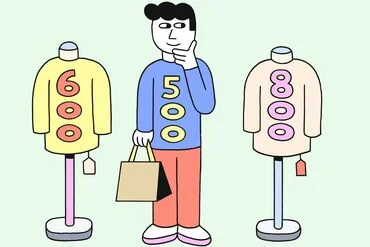
Subscriptions, delivery fees, insurance and financing can make monthly spending harder to see at a glance.
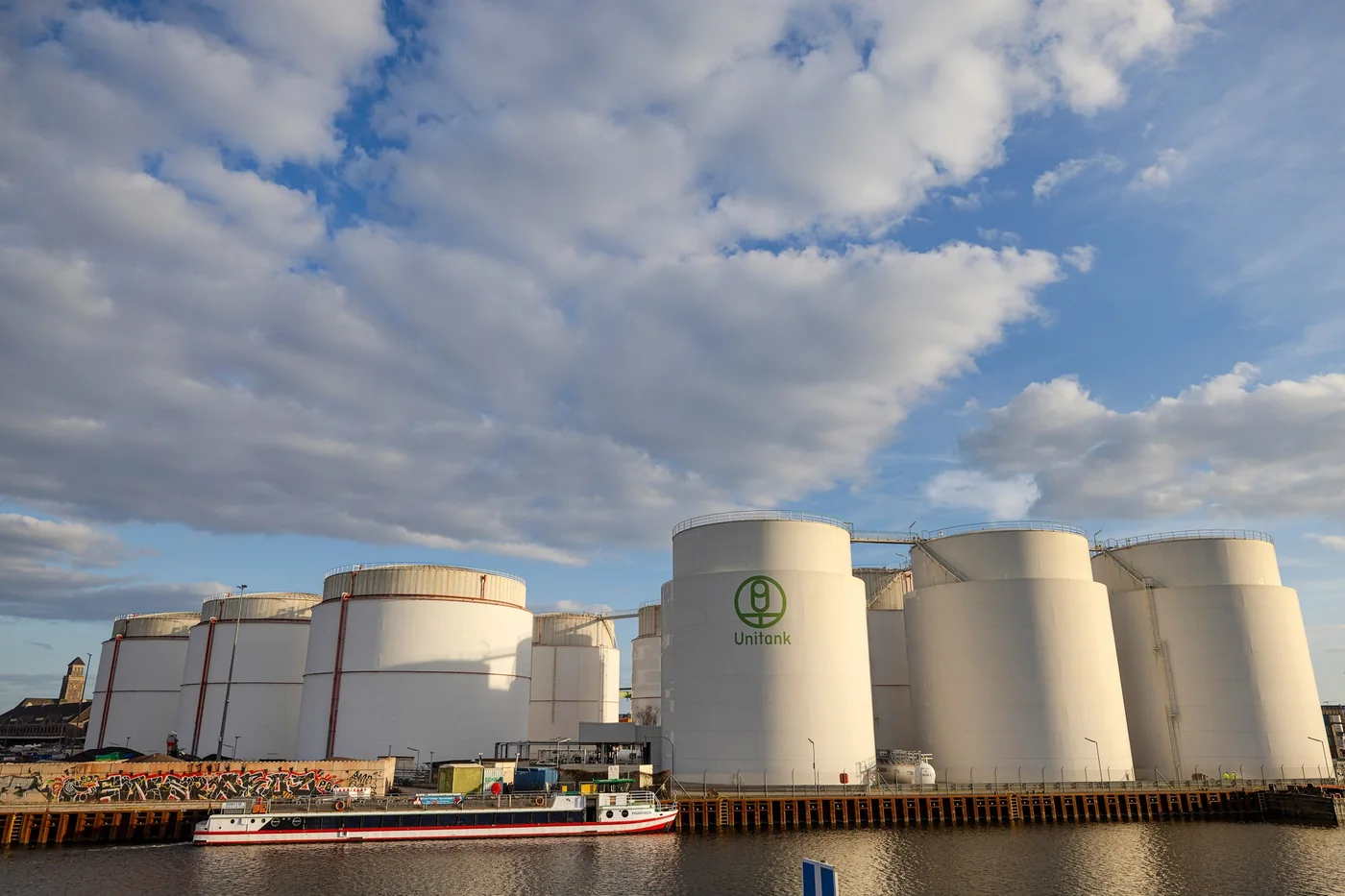
Recycling is moving from a waste-management topic to a strategic source of materials for batteries and electronics.

Bookshops are mixing retail with talks, clubs, workshops and community programming to give people more reasons to return.

Coaches increasingly track not just how hard athletes train, but how workload changes over days and weeks.

The best explanatory journalism tells readers what is known, what is disputed and what remains genuinely uncertain.
How planners are using shade, trees, reflective surfaces and public cooling spaces to make dense neighborhoods more resilient.

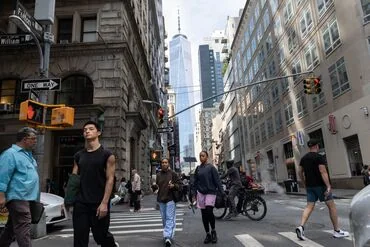


The best explanatory journalism tells readers what is known, what is disputed and what remains genuinely uncertain.
How planners are using shade, trees, reflective surfaces and public cooling spaces to make dense neighborhoods more resilient.
Heat is becoming a design problemUrban heat is shaped by more than the weather.
Building materials, street width, tree cover and access to water all influence how a neighborhood feels during prolonged hot periods.Designing for ordinary daysThe most useful interventions are often unglamorous: shaded bus stops, cooler walking routes, drinking water, tree maintenance and buildings that can be ventilated safely.For local governments, the practical question is how to make resilience part of routine street upgrades rather than a separate emergency project.
The best explanatory journalism tells readers what is known, what is disputed and what remains genuinely uncertain.
Simplicity can hide important limitsReaders need clarity, but clarity is not the same as certainty.
A strong explainer separates established facts from assumptions and open questions.Show the edgesStating what evidence cannot yet answer is part of useful communication.